




Transmission Repair: Is It Worth Repairing or Replacing Your Transmission in 2026?
Deciding whether to repair or replace a failing transmission is one of the most important and often stressful choices a vehicle owner can face, and this guide breaks down the key factors so Denver-area drivers can make a confident, informed decision in 2026.
Your transmission is what moves power from your engine to your wheels. When it starts to fail, the repair bill can feel overwhelming. But the answer is not always a full replacement. Understanding your options for transmission repair can save you real money and keep your vehicle on the road longer.
What Are the Three Main Options for a Failing Transmission?
There are three paths when a transmission has problems: repair it, rebuild it, or replace it. Each option suits a different situation, and knowing the difference helps you avoid paying more than you need to.
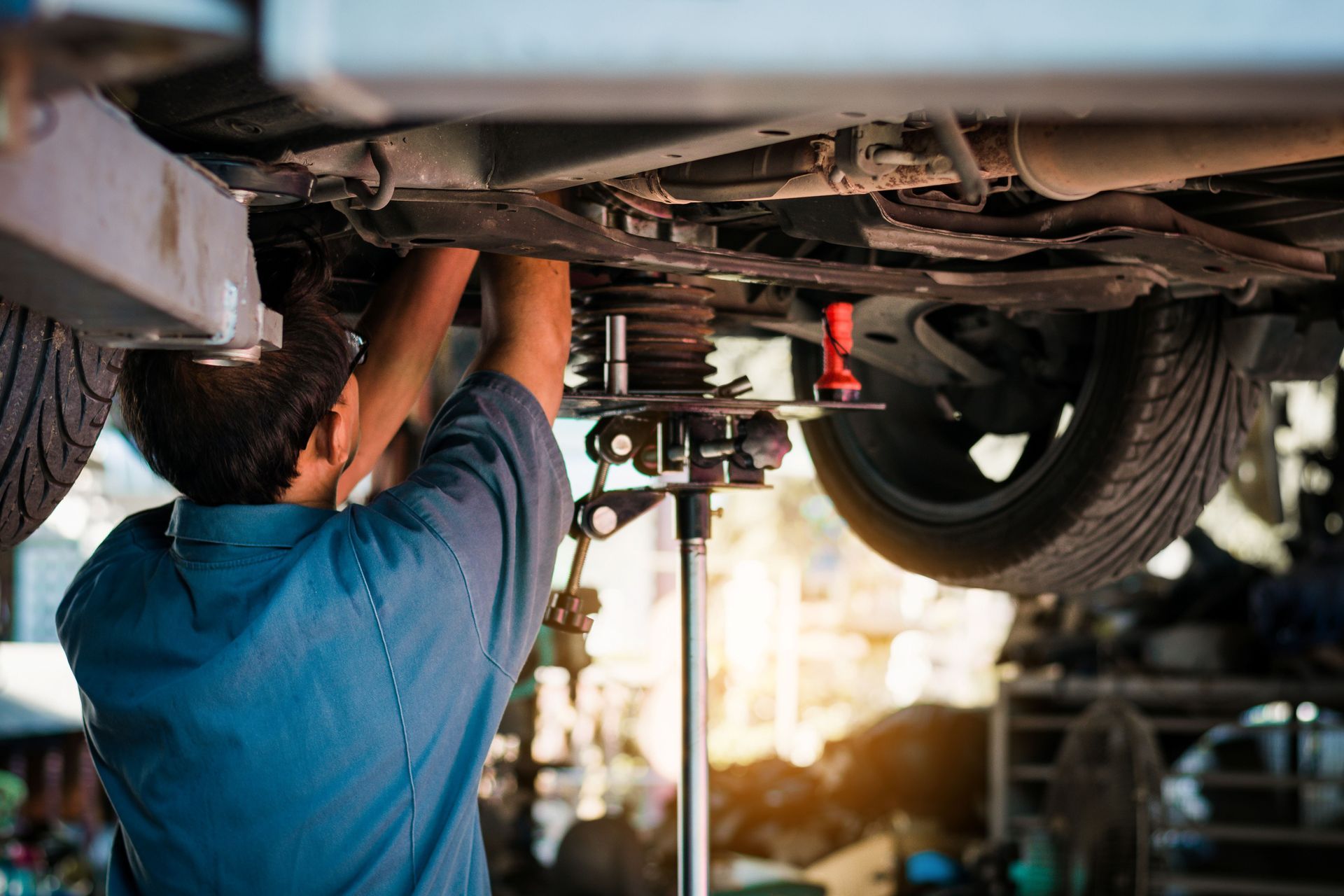
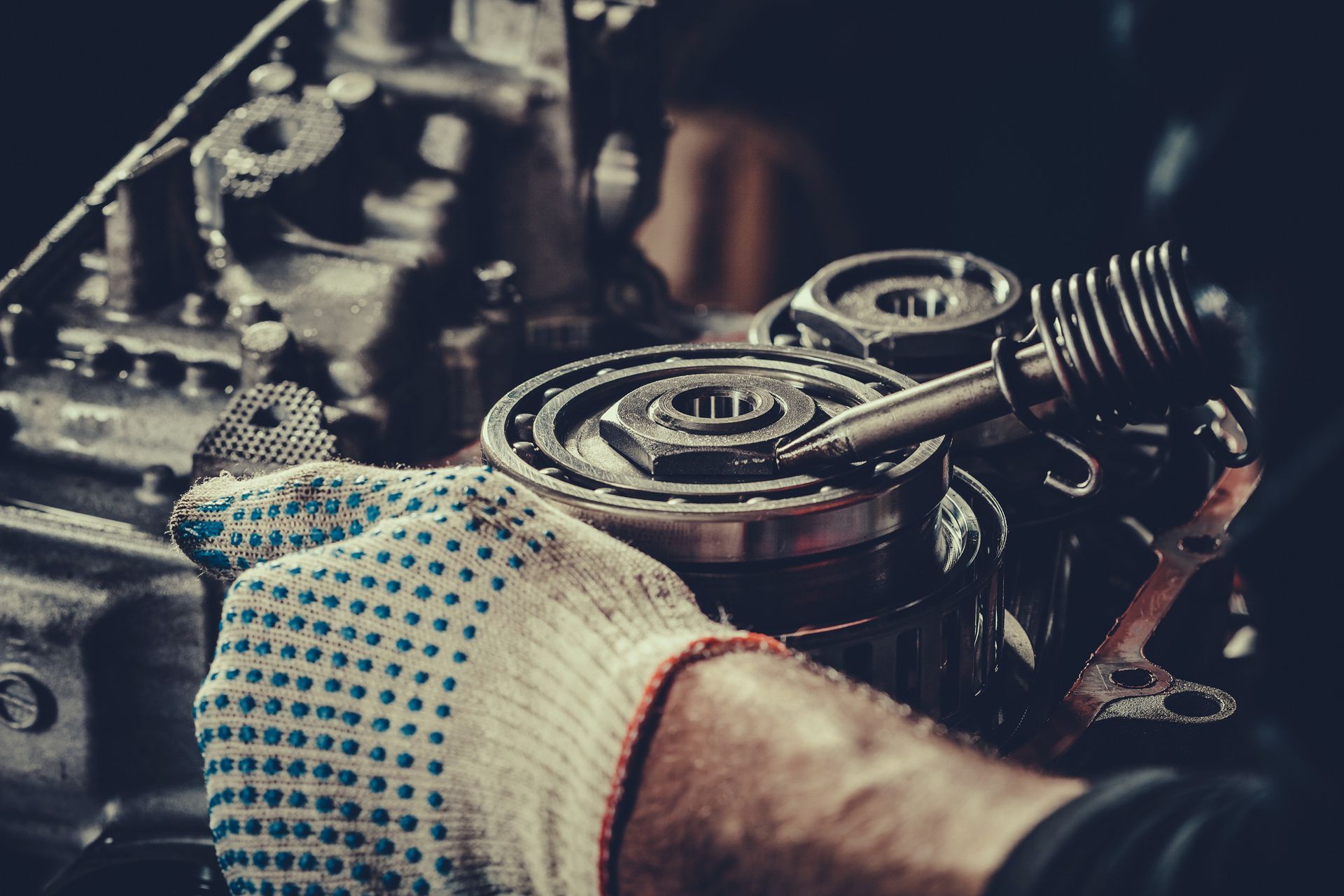
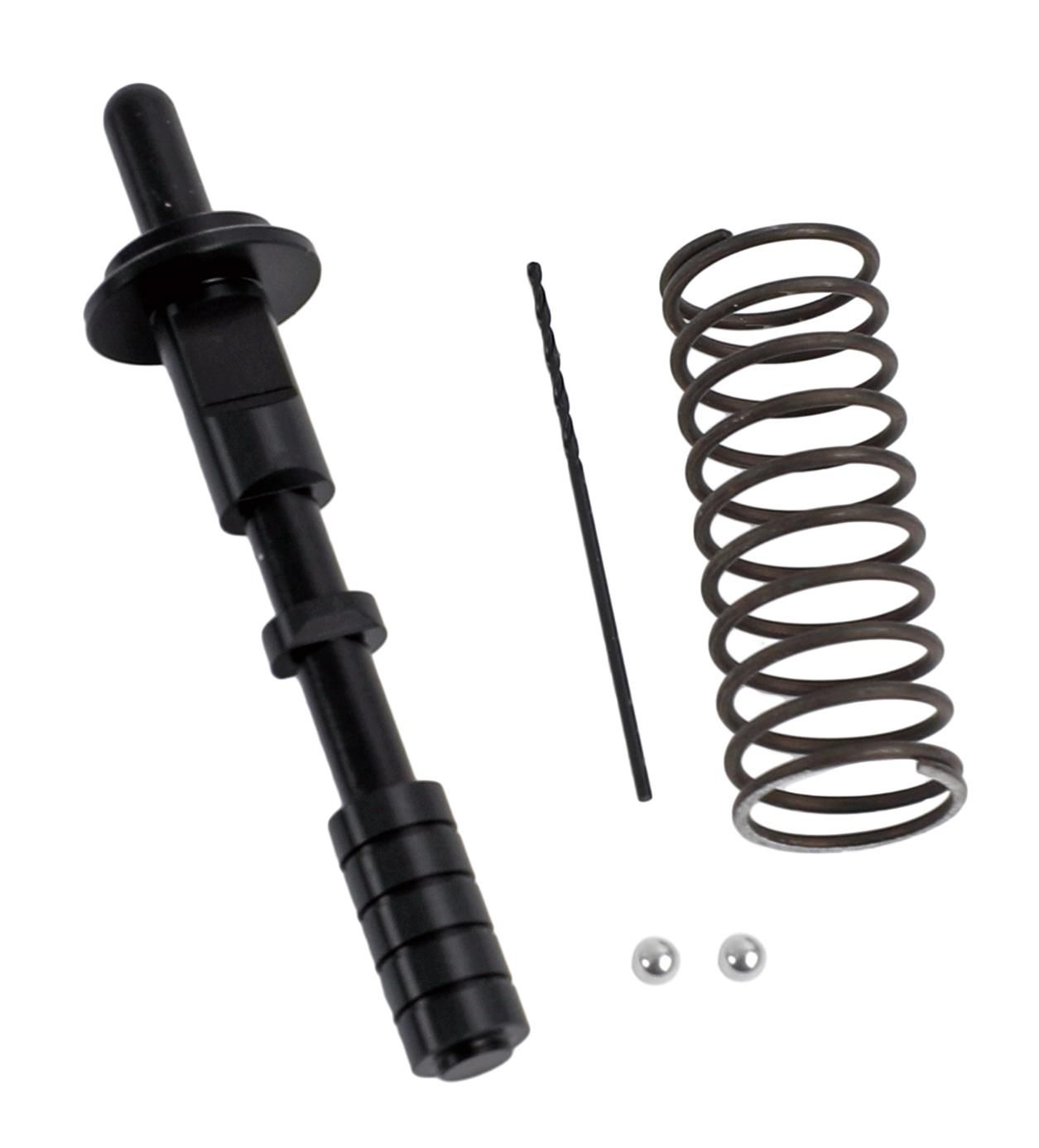
Targeted Repair addresses a specific, isolated problem. A worn solenoid, a fluid leak, or a damaged sensor can often be fixed without pulling the entire transmission. This is the least invasive option and may be the right call when the rest of the unit is in good shape.
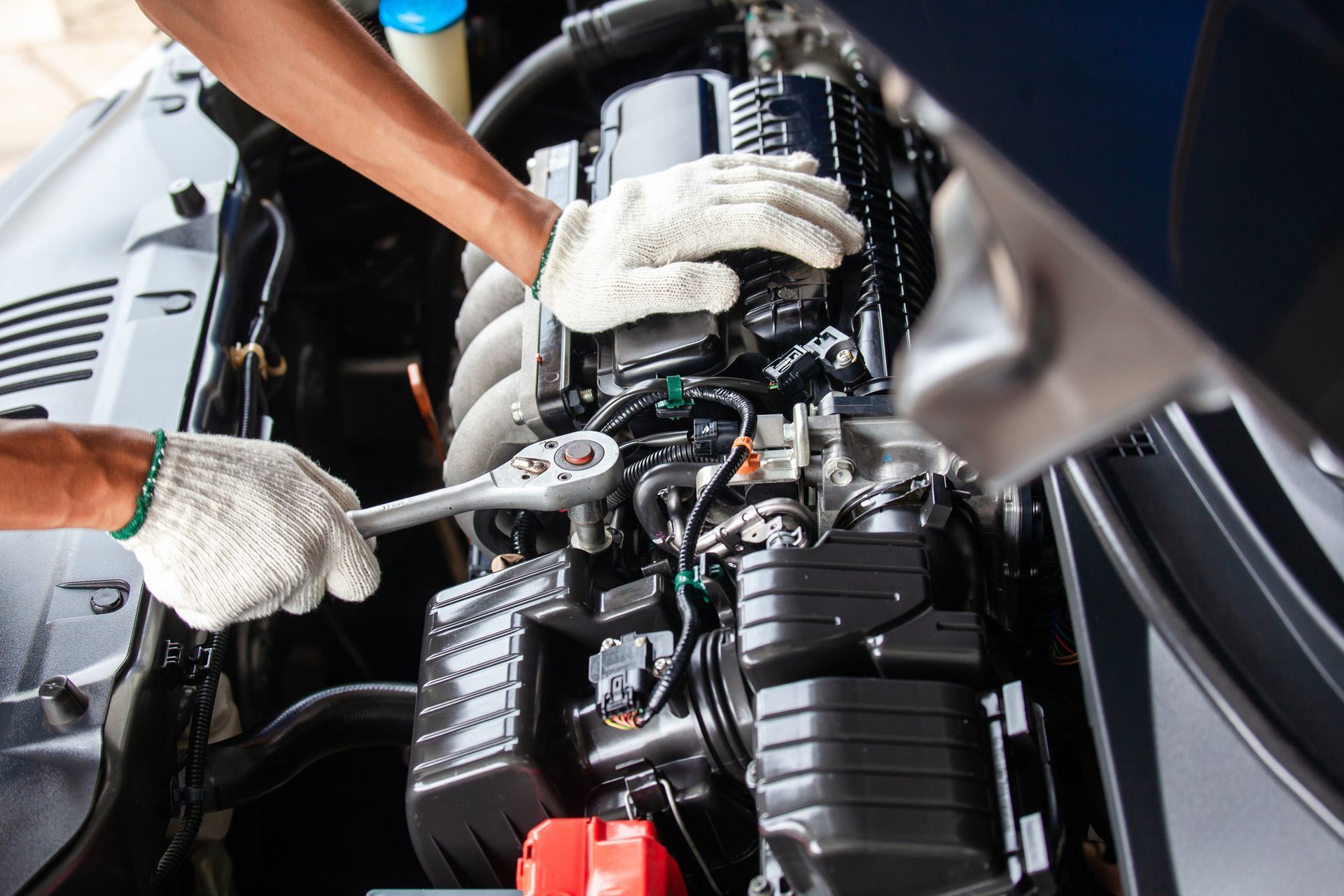
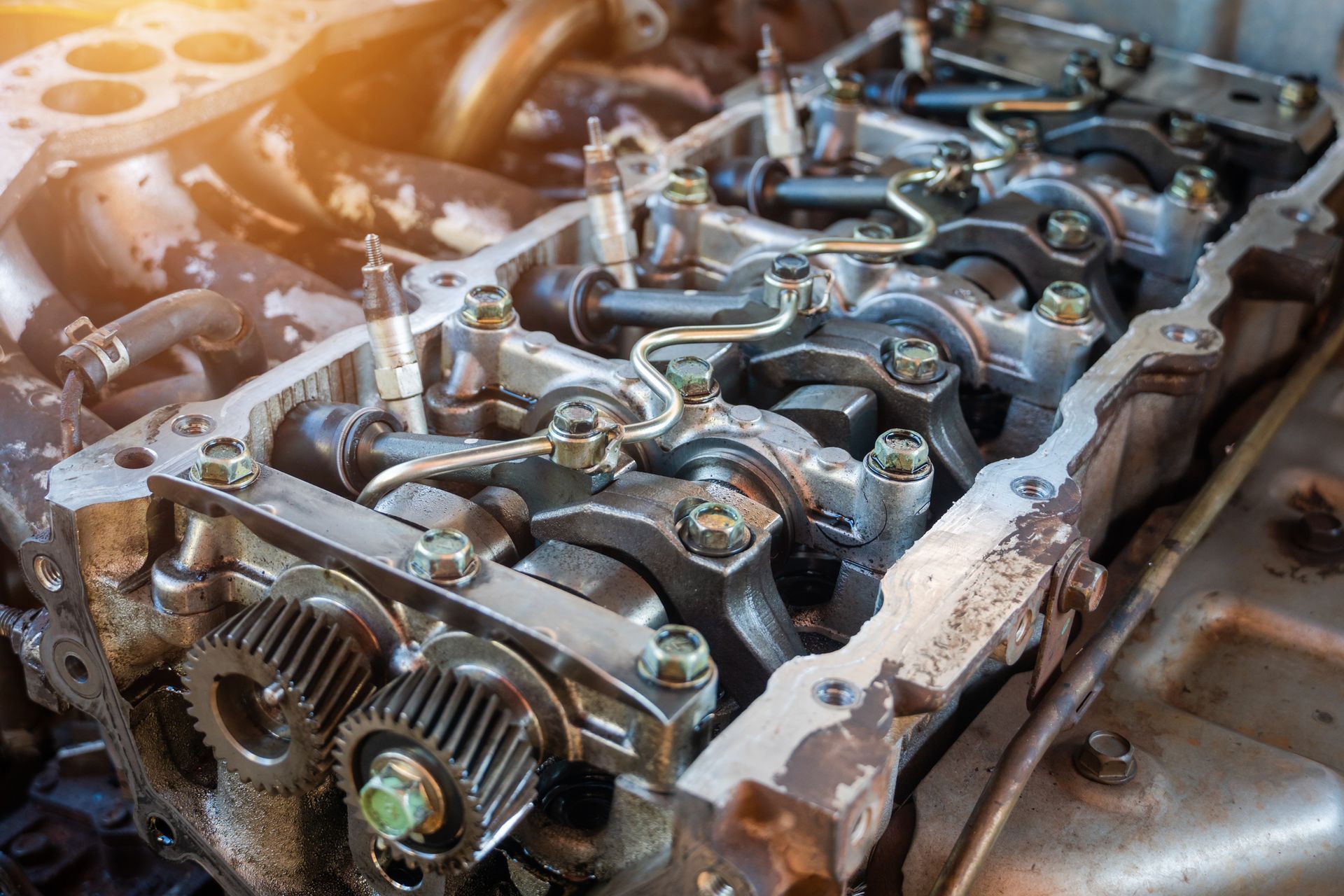
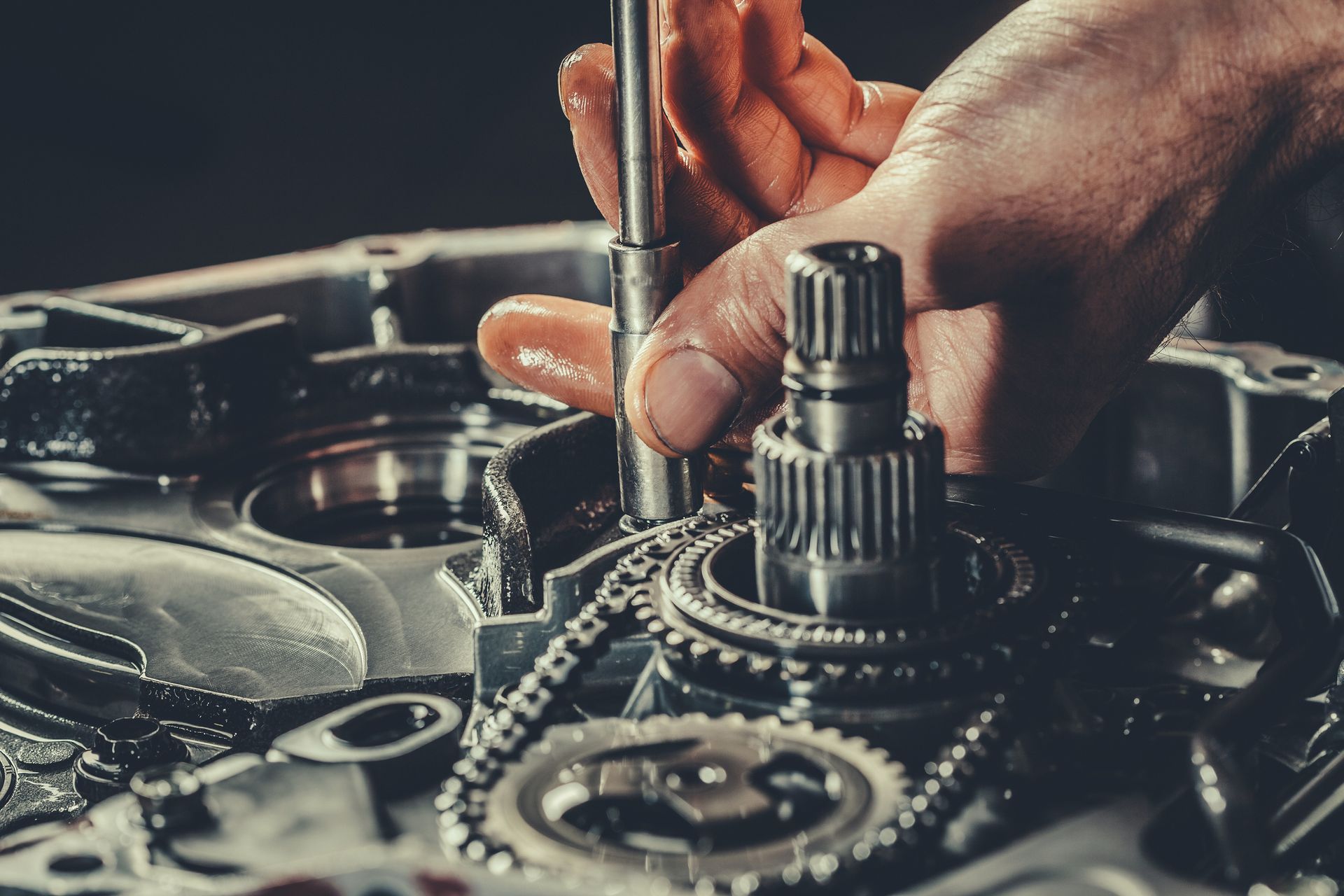
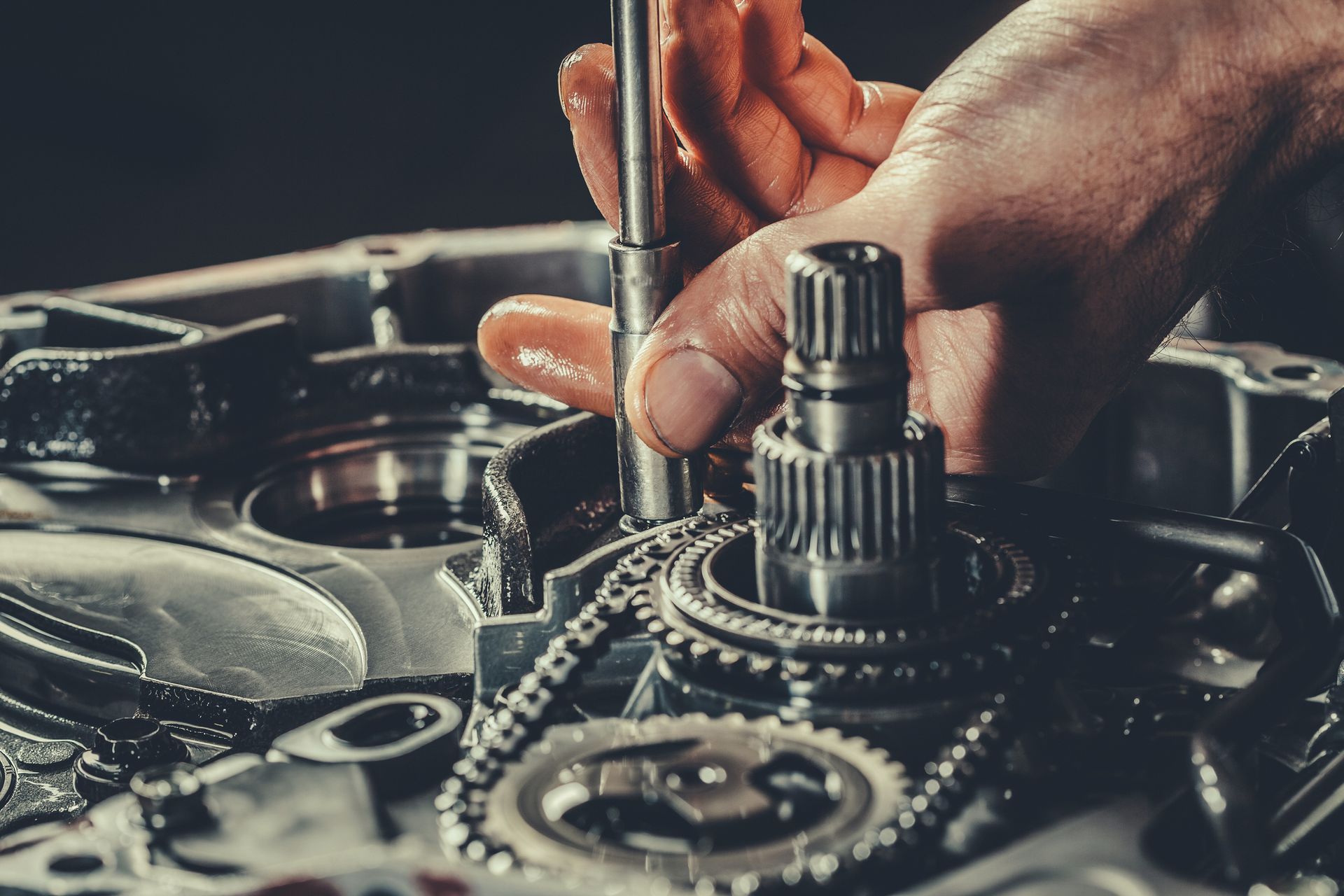
Transmission Rebuild means the unit is removed from the vehicle, fully disassembled, inspected, and reassembled with new seals, clutches, bands, and other worn components. It is a thorough solution that can restore performance close to factory level.
Full Replacement swaps in a remanufactured or new unit. This option typically applies when internal damage is too extensive for a rebuild to make economic sense.
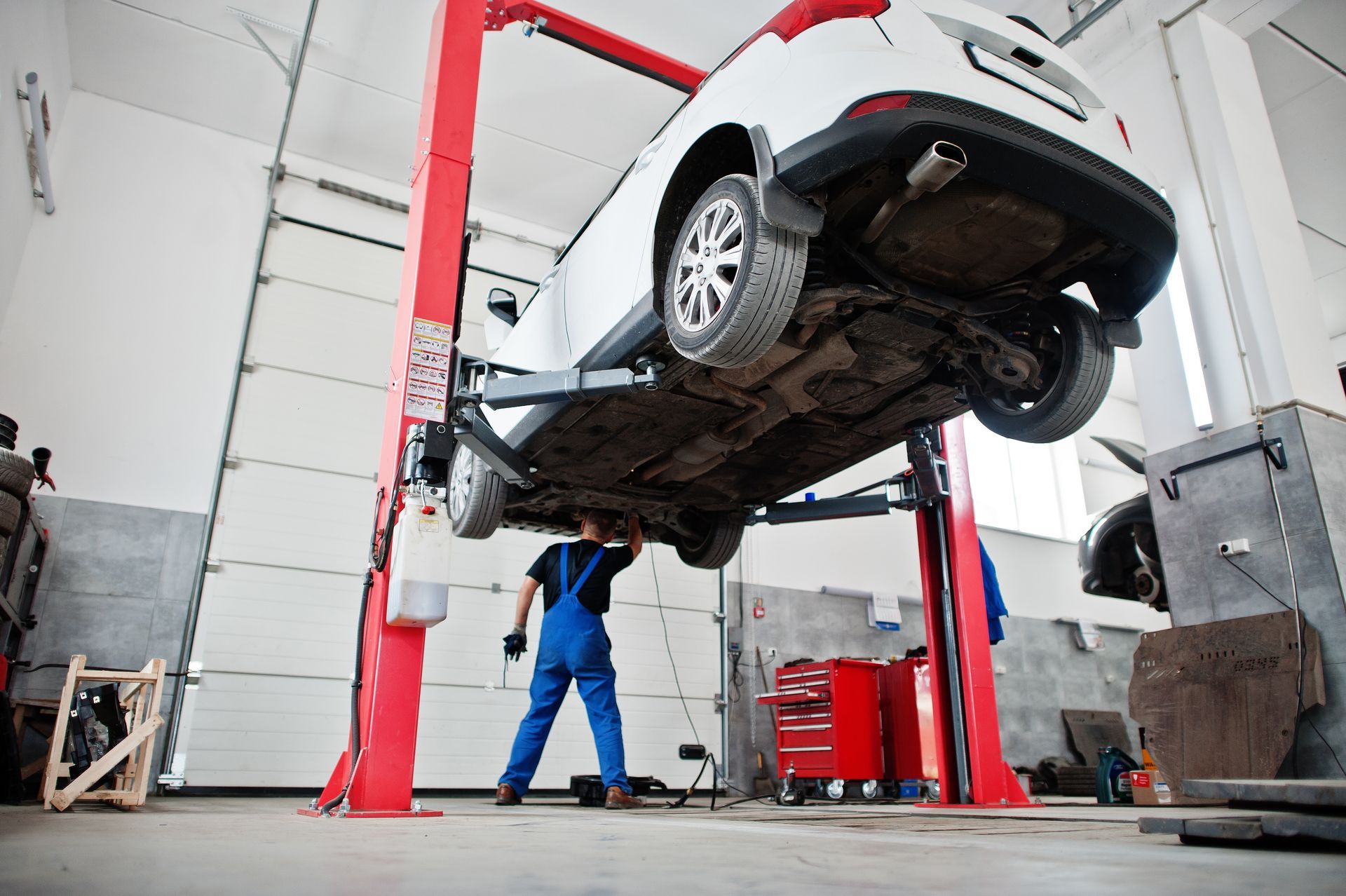
A proper diagnostic is the only way to know which path fits your vehicle. Transmission repair in Denver, CO, starts with an accurate diagnosis before any recommendation is made.
Should You Repair or Replace Based on Your Vehicle's Situation?
Several key factors determine the right answer for your specific vehicle. Working through them in order can clarify the decision quickly.
Vehicle Age and Mileage
Older vehicles with high mileage often have wear beyond the transmission itself. If a car has significant engine wear, suspension issues, or body problems alongside a failing transmission, investing heavily in drivetrain work may not make financial sense. On the other hand, a well-maintained vehicle with only transmission trouble may be worth a rebuild that adds years of reliable use.
Vehicle Value vs. Repair Cost
A general rule of thumb is to compare the estimated transmission repair cost against the vehicle's current market value. If the repair approaches or exceeds what the car is worth, replacement of the vehicle may be the better long-term move. If the transmission repair is a fraction of the vehicle's value, keeping and fixing it often makes more sense.
Severity of the Transmission Problem
A minor leak or a single faulty part is very different from burned clutch packs and damaged hard parts. Early warning signs like slipping gears, rough shifts, a burning smell, or red fluid pooling under your car warrant an immediate inspection. Catching problems early can be the difference between a straightforward transmission repair and a much larger job.
How Long You Plan to Keep the Vehicle
If you intend to drive the vehicle for several more years, a quality rebuild or targeted repair can be a smart investment. If you were already considering trading in or selling, factoring repair costs against resale value is worth doing before committing to major work.
A Simple Decision Checklist for Denver Drivers
Use this checklist to help frame the conversation with your technician:
- Is the transmission damage isolated to one component or system-wide?
- Does the vehicle's current market value justify the estimated repair cost?
- Is the vehicle otherwise in good mechanical condition?
- Do you plan to keep the vehicle for two or more years?
- Has a full diagnostic confirmed the exact source of the problem?
- Are there other costly repairs also pending on the vehicle?
If most of your answers point toward a healthy, valued vehicle with a specific transmission issue, a repair or rebuild is likely worth pursuing. If the vehicle has broader mechanical problems and low value, replacement of the car itself may be the more practical route.
Why Denver's Driving Conditions Matter
Denver, CO, drivers deal with conditions that can accelerate transmission wear. The mile-high elevation means your engine and transmission work harder, particularly on mountain grades heading into the foothills or up I-70 toward the high country. Towing boats, trailers, or ski gear adds thermal stress to the transmission fluid. Stop-and-go traffic in areas like I-25 through downtown or the Federal Boulevard corridor also generates heat over time. Regular fluid checks and service intervals are especially important in this region, making routine transmission repair and maintenance a priority for local drivers.
Repair vs. Replace: What the Numbers Generally Tell You
As a framework, consider that a targeted transmission repair for an isolated issue typically costs far less than a full rebuild, and a rebuild typically costs far less than replacing the vehicle. Running those comparisons against your car's value and your ownership plans will usually point to a clear answer. Always get a written estimate before authorizing work.
Get an Honest Answer From a Trusted Denver Transmission Shop
The repair-or-replace decision starts with one thing: an accurate diagnosis from a shop you can trust. AC Transmission Center has been serving Denver drivers since 1965, with ATRA and ASE certified technicians who specialize in automatic, manual, CVT, and diesel transmission service.
Every vehicle starts with a free diagnostic before any recommendation is made. The team will walk you through what was found and what your transmission repair options actually are, so you can decide with confidence rather than guesswork.
Call (303) 428-6566 or contact the shop online to schedule your no-pressure diagnosis today. You can also find the shop and read reviews directly on AC Transmission Center on Google.